Historic houses of Platja de Nules

    Coastal memory

    The history of the Platja de Nules houses

    Between El Bovalar beach, the seafront, the Civil War and family heritage, the casetes de la mar tell a century of life by the sea, from the agricultural origins of the site and several centuries of connection between Nules and the Mediterranean.

    About this page

    A rare landscape — seaside, popular and historical

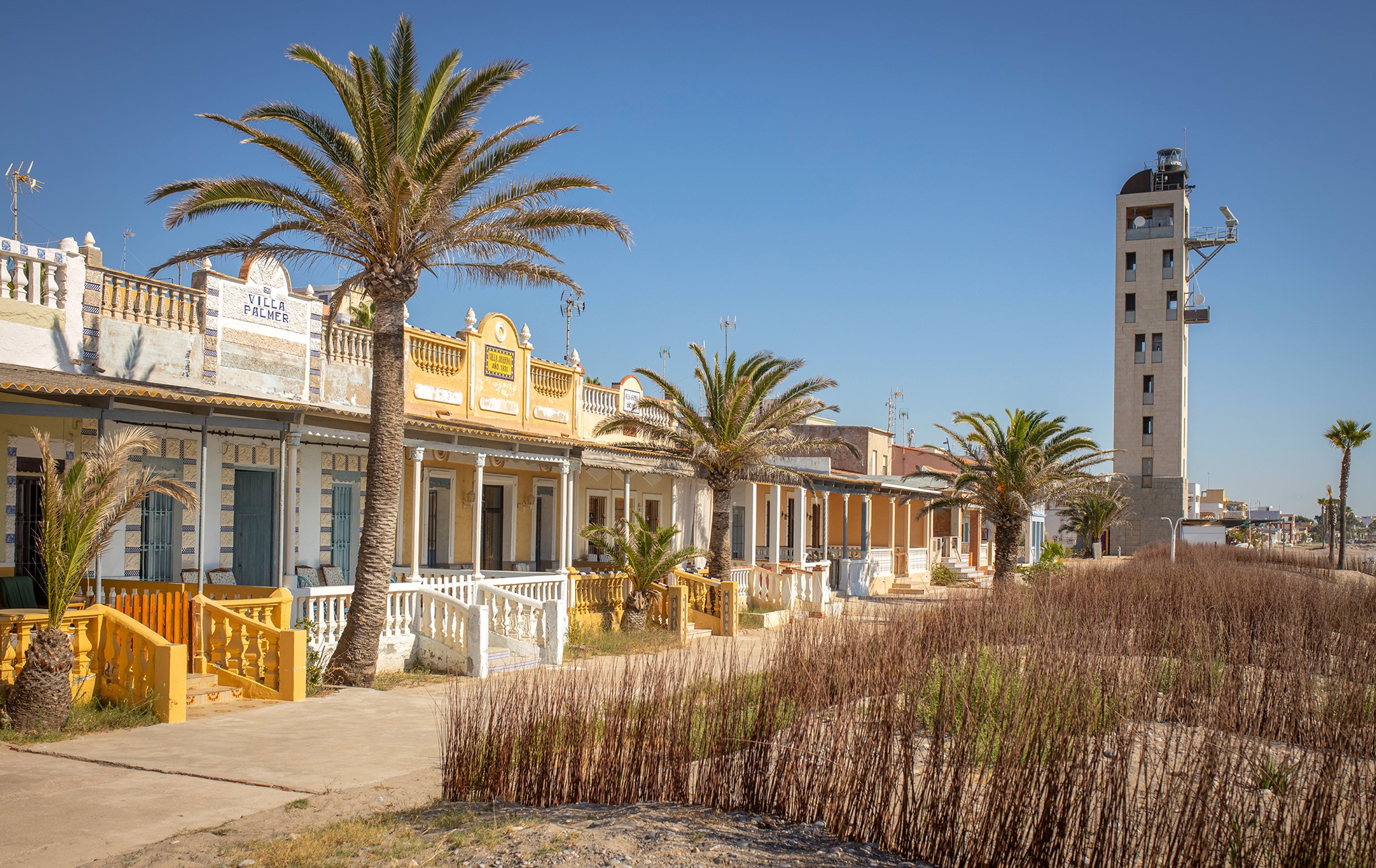
    Platja de Nules preserves one of the few remaining sets of first-line houses still visible on the Castelló coastline. These legendary houses are not valued only for their facade: they tell the story of the relationship between the town, the beach, agricultural life in the Marjaleria and Serradals, the 1938 bombings, and today's heritage protection efforts.

    This page combines the history of Nules, the history of El Bovalar beach, the evolution of the maritime village and the transformation of the coastline. The goal is twofold: to offer the reader a rich narrative and strengthen SEO positioning around searches related to the Platja de Nules houses.

    Timeline

    From the medieval town to the legendary seafront houses

    This timeline traces the key moments that give meaning to Platja de Nules: the town's development, its ancient opening onto the beach, the agricultural origins of the casetes, wartime memory, coastal erosion and current heritage recognition.

    1238

    Coastal memory

    Nules enters a new historical chapter

    The surrender of Nules castle to James I opens the medieval foundation of the municipality and marks the first milestone in its local story.

    The territory of Nules becomes part of the Crown of Aragon. This medieval foundation is essential to understanding how the town, initially agricultural and strategic, would later develop a lasting connection with its coastline.

    Source: Castello Sud - Nules

    Vue du poblado maritime de Nules

    Photo credit

    Castello Sud

    1273

    Coastal memory

    The Mijares river transforms the territory

    The privilege of channelling Mijares water allows the horta to expand and consolidates the settlement of Nules.

    This agricultural prosperity is one of the foundations of communal dynamism. It partly explains how Nules could later turn towards the beach, trade, and the coast.

    Source: Castello Sud - Nules

    Plage d'El Bovalar a Nules

    Photo credit

    Ajuntament de Nules

    14th century

    Coastal memory

    The beach becomes an economic space

    Under Peter IV, Nules obtains the privilege of holding a landing dock on the beach and an annual fair.

    Long before tourism, the Nules shoreline was already a place of activity and movement. This ancient link with the sea explains why the coastal front would retain a strong identity value.

    Source: Castello Sud - Nules

    Le littoral de Nules et le phare

    Photo credit

    Ajuntament de Nules

    1375

    Coastal memory

    War, partial abandonment and fortification

    The war against Castile severely affects Nules, before the town is authorised to fortify itself.

    The story of the seafront houses takes meaning in a town that has known threats, reconstructions and a long culture of resilience in the face of history.

    Source: Castello Sud - Nules

    Maisons du littoral de Nules

    Photo credit

    Castello Sud

    1582

    Coastal memory

    Nules becomes a royal town

    Royal town status reinforces municipal autonomy and the territory's sense of heritage identity.

    This milestone helps forge a strong local identity. Centuries later, this same identity resurfaces in the active defence of the casetes de la mar.

    Source: Castello Sud - Nules

    Front de mer historique de Platja de Nules

    Photo credit

    Castello Sud

    Early 20th c.

    Coastal memory

    Birth of the maritime village

    The first casetas stem from agricultural use, then become part of the veraneo culture and sea bathing of the early 20th century.

    Originally, Nules farmers built modest casas de campo to store tools, equipment and harvests near the coast. Over time, these spaces were occupied more regularly in July and August, in rhythm with farmwork and rice cultivation. The development of the maritime core also accompanied the rise of veraneo, sea bathing and a hygienist culture. The buildings that settled in the front row recall the Valencian alqueries with their volumes, ornamental details, wells and cisterns.

    Source: Castello Sud - Visite du poblado maritime

    Casetes du poblado maritime de Nules

    Photo credit

    Castello Sud

    1938

    Coastal memory

    The casetes become shelters

    During the Civil War bombings, around 50 of the 250 houses serve as shelters for the inhabitants of Nules.

    The seafront is not merely a summer backdrop. It becomes a space of protection and survival. Many dwellings are abandoned or fall into ruin, as Nules is both a war front and a refuge zone for soldiers near the concentration camp mentioned in several historical accounts. Recent accounts also mention the passage of refugees, mainly women and children, as well as names such as Rafael Alberti and Maria Teresa Leon.

    Source: Castello Sud - Visite du poblado maritime

    Casetes et memoire du littoral a Nules

    Photo credit

    Ajuntament de Nules

    1950s

    Coastal memory

    The maritime quarter consolidates

    The casetes are rebuilt, unified by a common typology, then gradually converted into true permanent homes.

    The consolidation of the 1950s gives the seafront its lasting character. The ensemble retains a recognisable pattern, but the facades, ornaments and usage details produce a very strong aesthetic heterogeneity. The landscape tells of holidays, family attachment and the permanence of a built environment rooted in the agricultural world.

    Source: Castello Sud - Visite du poblado maritime

    Littoral calme de Platja de Nules

    Photo credit

    Ajuntament de Nules

    Late 20th–21st c.

    Coastal memory

    The sea encroaches and changes the meaning of the place

    The coastline shifts significantly, reducing the fertile space that once separated the houses from the Mediterranean.

    Several local sources link this transformation to new coastal sediment dynamics, notably influenced by the ports of Castelló and Burriana and the dams at Alcora and Onda. The offshore sandbar gradually disappears and the formerly fertile land recedes, placing the houses directly facing a much closer sea.

    Source: Ajuntament de Nules - Playas

    Littoral de Nules expose a l'erosion

    Photo credit

    Ajuntament de Nules

    1988–2021

    Coastal memory

    The defence of the casetes organises itself

    The Coastal Law and erosion accelerate debate, while residents and cultural initiatives structure the protection of the site.

    Local sources recall that over 200 dwellings had been built before the 1988 law. Since the late 1980s, residents' associations have championed coastal regeneration and the defence of the maritime core. Since 2021, the Casetes Obertes project has also given this mobilisation a public and cultural form.

    Source: Valencia Bonita - Casetes de Nules

    Ouverture publique et defense des casetes de Nules

    Photo credit

    Ajuntament de Nules

    2004

    Coastal memory

    The Estany recalls the natural memory of the coast

    The classification of the Estany as a municipal natural space confirms that Nules's maritime façade is also a biodiversity landscape.

    The history of the houses cannot be separated from that of the shoreline. Between wetland, lagoon and beach, Platja de Nules preserves a rare relationship between built heritage and natural heritage.

    Source: Castello Sud - Nules

    Plage et paysage naturel du littoral de Nules

    Photo credit

    Ajuntament de Nules

    2024

    Coastal memory

    A hundred years of seaside life told to the public

    The Casetes Obertes event showcases the coastal front with the exhibition '100 anys a vora mar', guided tours and family testimonies.

    This recent event shows that the casetes are still inhabited by a living memory. The material heritage is complemented here by photographs, keepsakes and transmitted stories.

    Source: Ajuntament de Nules - Casetes Obertes

    Casetes ouvertes au public a Nules

    Photo credit

    Ajuntament de Nules

    2025

    Coastal memory

    The casetes call for stronger heritage protection

    The town hall requests the declaration of an urban nucleus of special ethnological value, amid tension between heritage protection and coastal law.

    The case draws on reports from cultural institutions, architects, historians and academics. In the background, two positions clash: preserving the houses as cultural and ethnological heritage, or strictly applying the logic of the public maritime domain, with maintenance or demolition decisions taken case by case.

    Source: Ajuntament de Nules - Protection des casetes

    Memoire et protection des casetes de la mar

    Photo credit

    Ajuntament de Nules

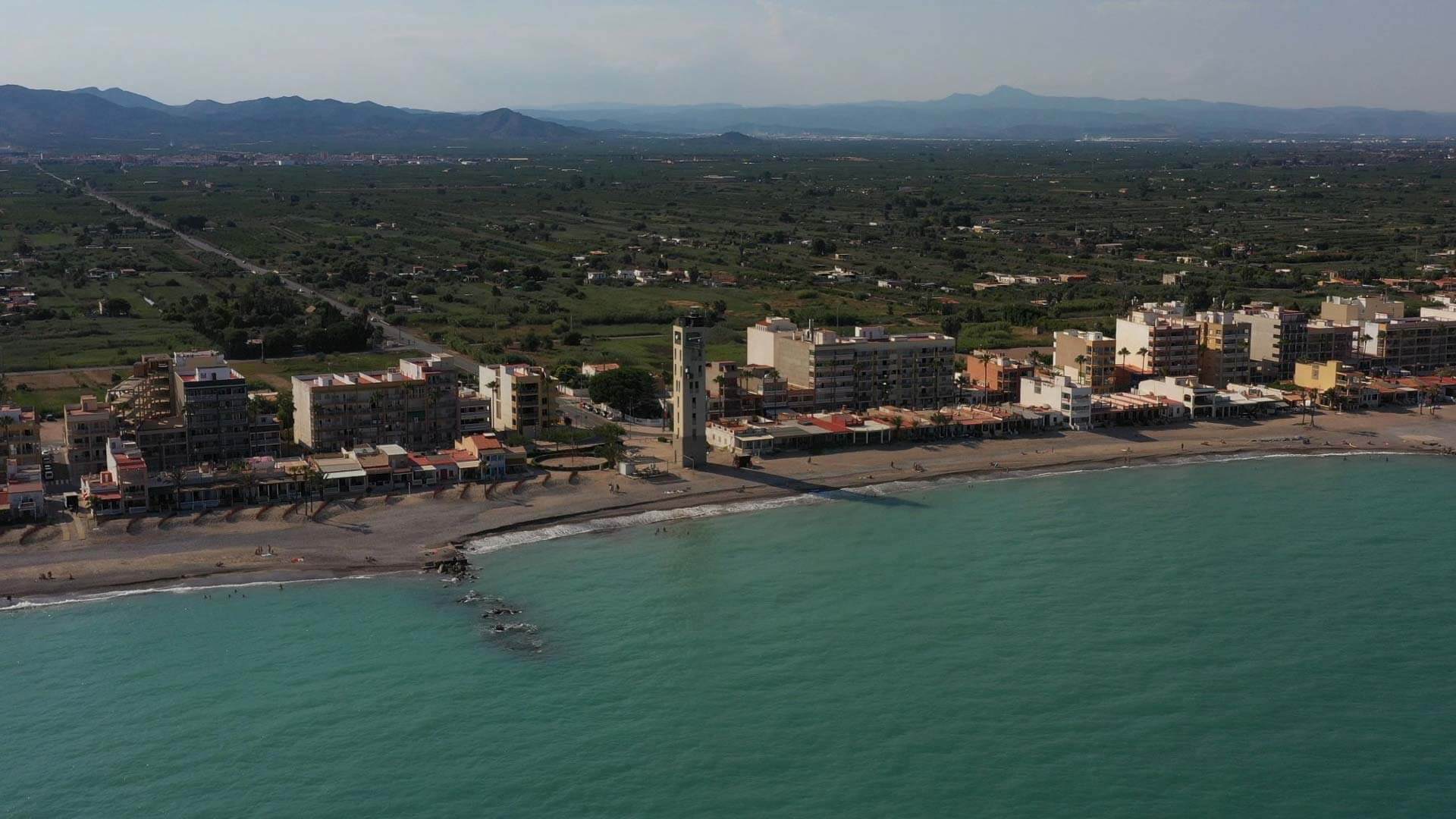
    El Bovalar beach in Nules

    El Bovalar

    A long, family-friendly beach marked by groynes, pebbles, the lighthouse and the nearby Estany.

    The shore today

    Between seaside heritage and cultural landscape

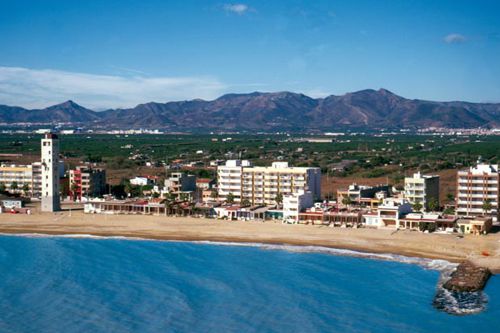
    The Nules beach is described by the town hall as a long, family-friendly beach improved by groynes, with a mix of sand and pebbles. El Bovalar is the largest beach in the municipality and is also distinguished by the visible Nules lighthouse.

    This setting explains the uniqueness of the Platja de Nules houses: they are neither a simple architectural heritage nor a mere holiday memory. They are the expression of a way of living by the beach, first tied to seasonal farm work, then to family summer stays, post-war reconstruction and a still-active popular memory.

    Yet the shoreline has changed. Local accounts recall that a greater distance once separated the houses from the sea. Changes in sediment dynamics, often linked to nearby ports and inland dams, have caused the fertile land to recede. This explains why the casetes question today is simultaneously a landscape, heritage and legal issue.

    On one side, several stakeholders call for their preservation as an exceptional cultural and ethnological ensemble. On the other, the public maritime domain framework supports stricter readings on ownership, use or demolition on a case-by-case basis. This tension is part of the contemporary history of Nules beach.